Rupa
Lassi Lady

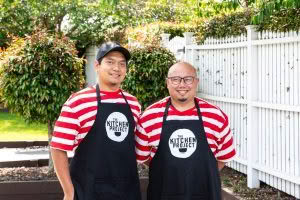
Safril Angga and Muhammad Fakhrul, the team behind Nusa, bring the heart of Indonesian street food to Aotearoa. Originally from Indonesia, they grew up in a culture where food is central to everyday life — not just as something to eat, but as a way to connect with family, community, and tradition. Street food, in particular, played a big role in shaping their memories, offering familiar comfort and flavours that feel like home.
Before starting Nusa, both Safril and Fakhrul built their experience in New Zealand’s food industry, working as a chef and a baker. This hands-on experience in commercial kitchens strengthened their skills in consistency, preparation, time management, and maintaining high standards of quality and food safety. At the same time, living in New Zealand inspired them to share the food they grew up with — creating something that would resonate not only with Indonesians living here, but also with locals curious to explore new flavours.
Nusa was created from a simple but meaningful idea: Indonesian street food deserves a stronger presence in New Zealand’s diverse food scene. For Indonesians, Nusa offers a sense of nostalgia and a taste of home. For the wider community, it’s an introduction to bold, vibrant flavours and a cultural experience through food. Their focus is on authentic halal takeaway dishes made fresh, affordable, and accessible to everyone.
Their journey hasn’t been without challenges. Building awareness of Indonesian cuisine in a new market has required patience, creativity, and adaptability. They’ve worked hard to strike a balance between staying true to traditional recipes and making their food approachable for Kiwi tastes. Along the way, they’ve been encouraged by the response from the community — from Indonesians reconnecting with familiar flavours to locals discovering something new and coming back for more.
Support from the wider food community has also played an important role. Through markets, shared kitchen spaces, and customer interactions, Nusa has built connections that go beyond food — creating a sense of belonging, cultural exchange, and shared experience.
A key part of their development has been their involvement in The Kitchen Project. Wanting to grow Nusa into a more structured and sustainable business, they joined the programme to strengthen not just their cooking, but their business skills. Through mentorship, hands-on guidance, and industry insights, they’ve learned how to improve operations, refine their concept, and plan for growth. Highlights have included improving consistency, streamlining production, and gaining valuable feedback, as well as connecting with a supportive network of fellow food entrepreneurs. The experience has given them confidence and clarity for the next stage of their journey.
At the heart of Nusa is a strong food philosophy: honour tradition, stay authentic, and deliver quality in every dish. Their recipes are rooted in traditional Indonesian spices, marinades, and cooking methods, creating deep, layered flavours that are still rare to find in New Zealand. At the same time, they bring their professional experience to ensure every dish meets high standards of consistency, hygiene, and presentation.
Their current menu focuses on one of Indonesia’s most iconic street foods — satay (or “sate”). Signature dishes include chicken satay, beef satay, grilled beef ribs, and grilled beef meatballs, all prepared with rich, aromatic marinades and cooked over flame to achieve that distinctive smoky flavour. Each bite offers a balance of sweetness, savoury depth, and char — a true representation of Indonesian street food at its best.
Looking ahead, Safril and Fakhrul envision Nusa growing into a recognised Indonesian street food brand across New Zealand. They plan to expand their menu with more classic dishes, while continuing to build a business that is consistent, scalable, and true to its roots. Their goal is to become a go-to destination for Indonesian food — known for its halal integrity, bold flavours, and welcoming experience — while proudly sharing Indonesian culture with communities across Aotearoa.